
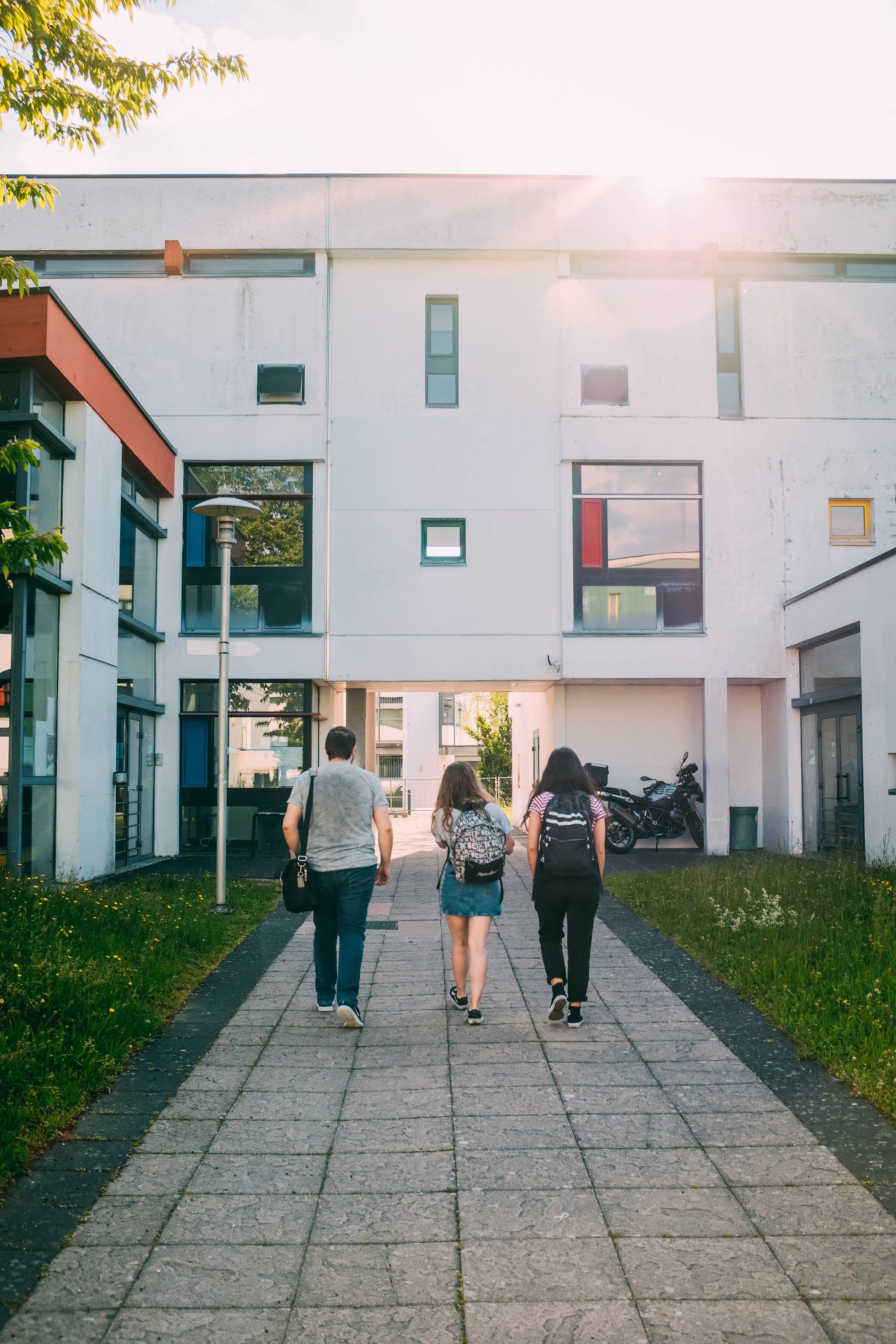
Safety is one of the most important factors in choosing a college for students and their families. A safe educational space, after all, does not just ensure physical safety but also encourages confidence, attention, and academic success. Safest campuses in Pennsylvania institutions frequently have several characteristics in common, including: some of the most proactive safety initiatives; strong partnerships between school officials and local community law enforcement; and a culture that facilitates notifying authorities rather than reacting to an event.
The foundation of an effective campus safety program is trained security officers. Many colleges have certified campus police departments that work closely with local police. These collaborations help provide for faster response times and coordinated emergency preparedness. Modern communications technology, such as mass campus-wide text, email, and mobile app notifications, keeps students and staff informed in case the unthinkable happens. At the safest campus in PA, sharing information about safety stats and emergency protocol also builds trust within the academic world.

You rely heavily on technology for security. Risk is dramatically minimized by using high-definition surveillance cameras, well-lit walkways, and controlled access for campus resident halls. Today’s campuses are relying on smart ID technologies and visitor management software to track building entrances. Blue-light emergency call stations, located throughout campus, are available for immediate help at any hour. These layers of protection have helped to foster a culture for which the safest campus in Pennsylvania is known.
Safety on campus is not only physical, but mental and emotional as well. Counseling, peer support, and safety workshops equip students with how to react to a sock. The bystander training and anti-harassment campaigns are all about showing respect. At the safest campus in Pennsylvania, students look out for one another at all times, promoting mutual respect, discipline, and a strong sense of community.
Another characteristic of secure facilities is decision-making based on data. Reproductive safety audits, climate, and risk assessments can help administrators target risks more precisely and adjust policies accordingly. Emergency preparedness training drills allow for practice of what each person is responsible for during unexpected situations, such as a fire evacuation or severe weather simulation. This constant striving is a testament to dedication to the journey, instead of acceptance.
Parent involvement and open communication also foster campus trust. Safety dashboards, annual security reports, and open forums help families stay up to date with institutional initiatives. This transparency is comforting to students shopping for a college that boasts the safest campus in Pennsylvania.
After all, exemplary campus safety is about more than just statistics. It is a comprehensive integrated approach that integrates infrastructure, education, technology, and community value system. When students feel safe and secure, they can become immersed in learning, leadership, and growth. When an entire campus focuses on safety, it keeps its population not only safe but also allows learning and well-being to flourish together.
John Right is the author of this article. For more details about Graduate nursing degree programs, please visit our website: holyfamily.edu.